Homeworks Environmental 252-473-6525
Certified Mold Testing | Mold Inspection Near Me
Your health and safety is our top priority! Eastern NC and Southeastern VA’s Top Local Choice for Certified Mold Testing & Comprehensive Mold Inspection Services. We also offer Particulate Testing. We are a BBB A+ rated provider. Having performed thousands of these specialty inspections and celebrating our 24th year of service. Our Certified Inspectors use the latest technology and techniques to accurately identify any potential mold hazards, and our laboratory-based mold testing provides reliable and accurate results.
We perform affordable Comprehensive Mold & Moisture Assessments, Certified Indoor Air Quality Testing, and Direct Surface Mold Testing. We are dedicated to providing our clients with a safe and healthy indoor environment, free from harmful black mold and other pollutants. With our advanced technology and experienced professionals, we offer a wide range of services to identify and mitigate any potential issues in your home or business. Our team understands the importance of indoor air quality and the potential health risks associated with mold exposure, and we are committed to helping our clients achieve the clean and healthy indoor environment they deserve. Whether you are dealing with a mold problem or simply want to ensure your indoor air quality is at its best, we are here to help you every step of the way.
We have a strong knowledge of the local challenges facing all of Eastern NC, Southeastern VA, and the Coastal Communities, specifically the unique environmental conditions which we experience. Each of our employees are local residents, fully trained, insured, and bonded with years of experience in providing these services.
Could your home or office be making you sick? Black Mold (Stachybotrys) is a very real medical concern. Each person’s body is affected by mold toxicity in different ways. It’s important to note that the severity of the health risks associated with mold exposure can vary depending on a range of factors, including the type of mold present, the duration of exposure, and the individual’s health status. Since symptoms differ from person to person, they may not be quickly associated with mold exposure. Many people suffering from mold illness struggle to get a proper diagnosis and investigation.
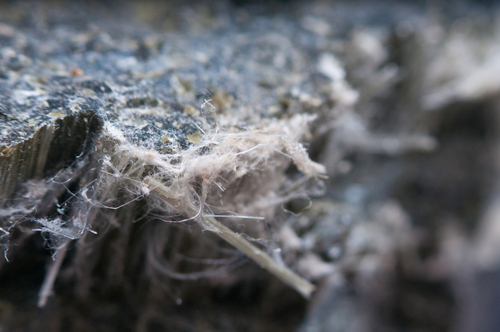
Asbestos Testing is a crucial step in ensuring the safety of your environment. At our asbestos testing services, we offer comprehensive and reliable testing solutions to identify the presence of asbestos fibers in various materials and structures. Our team of certified experts utilizes specialized techniques and cutting-edge equipment to collect samples and perform accurate analysis. We strictly adhere to regulatory guidelines and industry best practices to provide you with precise results and actionable recommendations. Whether you are a homeowner, business owner, or contractor, our asbestos testing services will assist you in making informed decisions to mitigate the risks associated with asbestos exposure.
Our Mold Inspection, Mold Testing, and Indoor Air Quality Testing Services have been utilized by: Federal Offices, Military Institutions, HUD Housing, NC Local Government Offices, NC State Colleges, NC Town Halls, NC Police Stations, Medical & Dental Practices, NC Fire Stations, Federal Park Offices, NC Water Departments, Government Housing, Military Housing, Religious-Institutions, Large Commercial Retailers, Non-Profit Organizations, as well as Local Business and Residential Home Owners residing in Eastern NC and Southeastern VA.








Beware of the Free Inspection Advertisements!
More and more Full Service Water Damage/Restoration Companies are generating consumer complaints with so called Free Mold Inspections, or Mold Testing Services. The expense of sending out an inspector or in the case of a Restoration Company salesperson is real.
Unethical companies deceptively use a “free inspection” as a way to get into your home in order to give you a high pressure sales pitch, with salespersons being overly aggressive in recommending remediation services to exaggerate the scope of work needed, high profits are expected. Consumers have found that these “free inspections” often come with a hefty price tag when the salesman presents a frightening list of dangerous conditions that are claimed to be emergency, requiring immediate and expensive repairs.
HEI believes you deserve the peace of mind of having your home evaluated by an objective, professional inspector, who is not there to sell you expensive and often unnecessary repair services. We offer honest, accurate inspections that carefully outline whatever actions may be required to correct any problems. If the extent of damage requires more extensive repairs, we can recommend reliable and honest local companies that we have worked with and trust.
Thorough inspections every time!
We understand the impact mold can have on the overall health and well-being of your family or employees, and each inspection is performed thoroughly. Our technicians will never recommend a service that isn’t necessary. We are not a remediation/restoration company, as we only provide inspections and testing services.
252-473-6525

Our Professional
Associations and Certifications Include: